
Rooftop Garden
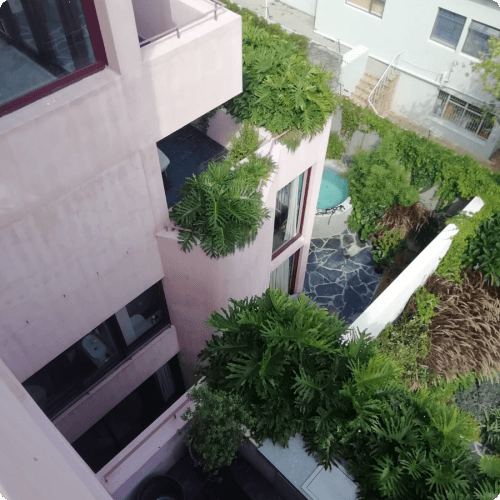
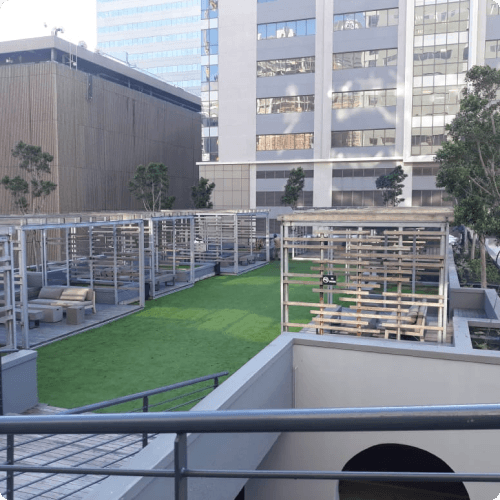
A rooftop garden utilizes the extra space on a building's roof to create a green area, offering environmental benefits, aesthetic enhancement, and potential food production.

Key considerations for installing a rooftop garden include:
Weight Capacity: The roof must be structurally capable of supporting the additional weight of soil, plants, and water. This usually requires a professional assessment to determine the roof's load-bearing capacity.
Layers: A typical rooftop garden setup includes multiple layers:
- Vegetation Layer: The top layer, consisting of plants.
- Growing Medium: Soil or other planting medium.
- Filter Layer: Geotextile fabrics like Bidim to prevent soil particles from clogging the drainage system.
- Drainage Layer: Materials or systems like Delta Dorkin to facilitate water flow.
- Waterproof Membrane: A crucial layer to protect the roof structure from water damage.
- Root Barrier: To prevent roots from penetrating the waterproof membrane.
These components work together to create a functional, sustainable, and aesthetically pleasing rooftop garden.